

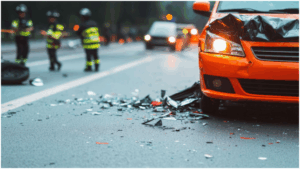
Traffic accidents occur every day across the United States, but they are far more common in certain places and under specific conditions.
Understanding where collisions tend to happen helps you see how road design, traffic density, and human behavior interact, and it lays the foundation for safer travel and better policy decisions.
Urban Roadways and Congested Streets
Most collisions in the United States occur in urban areas where traffic volume is high and road interactions are frequent.
The complexity of city driving increases the number of conflict points between vehicles, pedestrians, and cyclists, making collisions more likely.
Intersections, merges, and pedestrian crossings all demand quick decision-making from drivers and can increase risk if drivers misjudge gaps or signals.
When you examine data on the most dangerous intersections in the US, you see patterns emerge that link high accident rates to heavy traffic flow, multiple turning movements, and insufficient signal timing for all road users.
These conditions are common in large metropolitan regions and contribute directly to frequent accidents and congestion-related crashes.
Highways and Freeways
Beyond urban streets, highways and freeways carry vehicles at higher speeds over long distances, and these roads account for a significant share of severe traffic accidents.
Though these roads tend to have fewer intersections than city streets, the higher speeds involved mean that when collisions happen, they can result in more serious injuries or fatalities.
Merges, lane changes, and sudden braking in congested segments contribute to rear-end collisions and side-impact crashes.
Agricultural trucks, passenger cars, and motorcycles all mix on interstate highways, increasing risk when visibility is limited or when weather conditions change quickly.
Traffic density near major urban areas on freeways can climb dramatically during peak travel times, creating short reaction windows for drivers and increasing the likelihood of multi-vehicle collisions.
While urban and highway environments see many total accidents, rural roads often see a high proportion of fatal crashes relative to miles traveled.
These roads may lack median barriers, wide shoulders, or adequate lighting, all of which can affect safety.
Higher posted speeds and long, uninterrupted stretches encourage faster driving, which both increases stopping distances and magnifies the consequences of mistakes.
Roadway design features such as sharp curves and narrow lanes also raise risk in rural settings, where emergency response times may be longer, and seat belt use can be less consistent.
Single-vehicle run-off-road crashes and head-on collisions are among the serious outcome types you are more likely to see in non-urban settings.
Intersections and Turning Movements
Intersections are collision hot spots because they concentrate multiple vehicle paths in a confined space, requiring drivers to judge gaps, comply with signals, and yield appropriately.
Left turns are particularly risky because they involve crossing opposing traffic, and drivers may misjudge the speed of oncoming vehicles.
Right-angle crashes at intersections often occur when a driver fails to yield at a stop sign or tries to beat a red light.
Roundabouts have been introduced in many communities as a way to reduce serious collisions by simplifying conflict points and lowering vehicle speeds through the junction.
Your risk of a high-speed right-angle crash at a properly designed roundabout is typically lower than at a traditional signalized intersection because speeds are reduced and crossing traffic is eliminated.
Weather Conditions and Time of Day
Weather can influence where and when accidents occur.
Rain, snow, and ice reduce tire traction and increase stopping distances, and they can make roadway markings and signals harder to see.
In areas prone to severe weather, crash rates often rise during precipitation events or when temperatures fluctuate around freezing and create slick surfaces.
Time of day also affects accident frequency.
During dawn and dusk, lower light levels make it harder to see and judge distances.
Commuter peak periods bring higher vehicle volumes and more aggressive driving behaviors, while late-night hours can elevate the risk of impaired driving.
You should adjust your travel behavior in these conditions to account for these increased risks.
Pedestrian and Bicycle Crash Patterns
Pedestrian and bicycle accidents tend to cluster where non-motorized road users interact with vehicles without adequate physical separation.
Urban corridors with high foot traffic but limited crosswalks or bike lanes often report more of these crashes.
Inadequate lighting and high vehicle speeds near schools or commercial districts can compound risk.
Studies show that areas with well-planned crossings, dedicated bike lanes, and traffic calming measures often see lower rates of bicycle or pedestrian collisions.
Your awareness and compliance with traffic control devices in these zones can increase safety and reduce your likelihood of involvement in such crashes.
Why the Patterns Matter to You
Understanding where crashes are most common helps you make informed choices about your travel and how you approach high-risk settings.
Urban centers, highways, rural roads, and intersections each present different hazards tied to traffic flow, road design, and environmental conditions.
Awareness of these patterns can inform your decision-making behind the wheel.
Think about your route and the conditions you expect for any trip.
Adjust your speed for weather and visibility, anticipate actions of other road users at intersections, and give yourself extra time during peak travel hours.
Being attentive to patterns of risk can reduce your probability of involvement in a preventable crash.
Charting Better Roads Ahead
Traffic accidents are influenced by a mix of human behavior, roadway design, and environmental factors.
Identifying where accidents happen most often and why can help you and policymakers focus attention on prevention and safety improvements.
Discussions about prevention often intersect with legal representation for accident claims, particularly when collisions expose weaknesses in infrastructure, traffic control, or driver compliance with safety laws.
Safer roads are the result of better information, thoughtful infrastructure, and responsible driving choices.



Leave Your Comment