

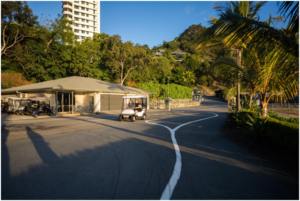
A car and a golf cart meet at a crossing on Morse Boulevard, and two seconds later the day has changed.
Both drivers tell the deputy what they think they saw, an adjuster calls within the week, and the cart owner starts wondering who pays for the ambulance ride.
The answer turns on a short list of facts, and almost nobody writes them down at the scene.
Several of them stop existing within a day.
Start With the Cart Itself
The first detail is what the cart actually is under Florida law, because the state recognizes two very different machines.
A standard golf cart cannot exceed 20 miles per hour and carries no title, no tag, and no required insurance.
Most people discover this only when they contact a car accident lawyer in The Villages and get asked for the cart’s serial number and top speed.
That classification decides where the money comes from.
Florida Statutes § 316.2122 requires a low-speed vehicle to be registered, titled, and insured, and limits it to streets posted at 35 miles per hour or less, so an LSV brings coverage with it.
A standard cart brings none, which pushes the claim toward the car driver’s policy and your own coverage instead.
Where It Happened, Down to the Foot
Location matters more than people expect, since Florida does not allow carts to travel wherever they please.
Under Florida Statutes § 316.212, a golf cart may use a public road only where the county, city, or water control district has designated it for cart traffic and posted signs saying so.
Thirty feet past that sign, the same trip turns into a violation an insurer will use against you.
- Cart signs – photograph the posted golf cart signage closest to the crash point.
- Crossing marks – the painted crossing, the stop bar, and any flashing beacon.
- Speed limit – the posted limit facing the car, not the cart path.
- Sight lines – hedges, berms, or parked vehicles that blocked either driver.
Time of Day and What the Cart Carried
Lighting changes the entire picture, and so does the equipment bolted to the cart.
The same statute bars golf cart use on public roads between sunset and sunrise unless the cart has headlights, brake lights, turn signals, and a windshield.
It also calls for working brakes, reliable steering, safe tires, a rearview mirror, and red reflectors on both the front and the rear.
Adjusters hunt for a cracked reflector or a dead tail lamp, because any gap there supports the claim that the cart was hard to see.
Photograph every light with the key turned on before the cart gets towed or a neighbor swaps a bulb.
Then write down the exact clock time of the crash and check it against sunset for that date.
What the Deputy Writes, and What You Say
The accident report shapes the first settlement offer even though it rarely settles the argument.
Deputies arrive after everything is over, talk to whoever is standing and talking, and draw a diagram from skid marks and resting positions.
An injured person who is quiet, dazed, or hard of hearing often ends up described as the driver who failed to yield.
Collect the report number, the officer’s name, and the agency before you leave the scene, then read the narrative as soon as it posts.
If it lists the wrong direction of travel or the wrong vehicle, ask the agency how to submit a correction.
Keep your own account short and factual, and skip the apology that feels polite in the moment.
How Florida Splits the Blame
Shared fault is where most of these claims are won or lost.
Florida Statutes § 768.81(6) bars any recovery for a party found more than 50 percent at fault for their own harm, and any share below that line simply trims the award.
The car driver’s insurer understands that math and starts building your percentage on day one.
- Witness names – neighbors and passing drivers who watched the approach.
- Nearby cameras – doorbell and dash footage that records over itself fast.
- Impact points – close photos showing where each vehicle struck the other.
- Same-day care – an exam that ties the injuries to this crash, not last year.
The Details That Fade First
Almost everything that decides a golf cart claim sits in plain view for about a day.
Cameras overwrite, the cart goes to a repair shop, the hedge gets trimmed, and the deputy moves on to the next call.
Pull out your phone before the tow truck arrives and take more pictures than you feel necessary, including the dull wide shots that show how the road and the cart path actually line up.
If an insurer has already handed you a share of the blame, a Florida injury attorney can tell you which of those photos would move the needle.


Leave Your Comment