

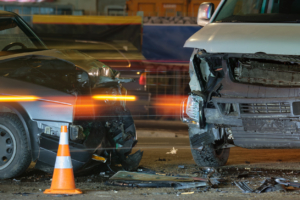
A collision is not simply a chaotic event; it is a story told in the language of physics.
It is a fragile geometry of angles, forces, and vectors, where inches and milliseconds determine the difference between a near miss and a life-altering tragedy.
The immediate aftermath is a scene of raw, physical consequence.
But once the wreckage is cleared, a different and more methodical process begins: the attempt to measure this moment of impact in the structured language of the law.
While science can explain the mechanics of the crash, the legal system is tasked with a more profound challenge.
It must quantify the human cost of the injuries and assign responsibility for the breach of safety.
This is the complex intersection where the laws of motion meet the laws of humanity, and where the guidance of a professional like a motorcycle accident lawyer in Yonkers, NY, can become essential.
The Science of the Scene – The Role of Accident Reconstruction
The first step in translating a crash into a legal case is to understand precisely what happened.
This is the work of accident reconstructionists, experts who use scientific principles to recreate the event.
Accident reconstructionists meticulously analyze various types of evidence to build their case:
Physical Evidence at the Scene:
- Skid Marks: Length, direction, and type (e.g., yaw marks, acceleration marks) to calculate vehicle speed and braking.
- Debris Field: Location, type, and spread of shattered glass, plastic, and metal to pinpoint the area of impact.
- Fluid Trails: Leaks from vehicles indicate paths and resting points.
- Roadway Damage: Gouges, scrapes, or other marks on the road surface.
- Environmental Factors: Road conditions, lighting, weather, and signage.
Vehicle Damage Analysis:
- Crush Damage: Depth, location, and direction of impact on vehicles to determine force and angles of collision.
- Component Failure: Examination of tires, brakes, and other parts for pre-impact defects.
Electronic Data:
- Electronic Data Recorders (EDRs)/”Black Boxes”: Data from modern vehicles on speed, braking, acceleration, seatbelt usage, and steering in the moments before impact.
- GPS Data: Information from vehicle navigation systems or cell phones.
- Dash Cam/Surveillance Footage: Visual recordings of the accident.
Witness Information:
- Eyewitness Statements: Accounts from individuals who saw the crash.
- Driver/Passenger Testimony: Statements from those involved, corroborated or challenged by physical evidence.
The story begins with the physical evidence left behind: the length and curvature of skid marks reveal braking speeds, the location of the debris field shows the point of impact, and the depth and nature of vehicle crush damage indicate the force and direction of the collision.
Modern vehicles also contain Electronic Data Recorders, or “black boxes,” which provide a digital snapshot of speed, acceleration, and braking in the seconds before impact.
By meticulously analyzing these clues, an expert can build an objective, evidence-based narrative of the crash.
This scientific reconstruction transforms the chaotic scene into a coherent sequence of events, forming the factual foundation for any legal action that follows.
From Physics to Fault – The Legal Standard of Negligence
The scientific facts of a crash, however precise, are meaningless in a legal sense until they are applied to the standard of negligence.
This legal principle holds that every driver has a fundamental “duty of care” to operate their vehicle in a reasonably safe manner.
A lawsuit alleges that this duty was breached.
The evidence provided by accident reconstruction is what proves this breach.
For example, the calculated speed from skid marks can prove a driver was speeding, or the point of impact can definitively show they ran a red light.
These are not just traffic violations; they are clear evidence of a failure to uphold the duty of care.
Weaving the scientific findings into a clear and persuasive legal argument that establishes fault is the primary responsibility of a skilled Yonkers car accident counsel, who acts as the crucial translator between the language of physics and the language of law.
The Human Element: Biomechanics and the Vulnerable Victim
The “fragile geometry” of an impact ultimately describes how physical forces affect the human body.
The science of biomechanics helps explain why certain types of collisions result in specific injuries.
Here’s how biomechanics helps understand injury patterns:
- Impact Forces: Analyzes how the magnitude, direction, and duration of forces during a collision are transmitted to the human body.
- Body Kinematics: Studies the motion of the body (e.g., acceleration, deceleration, rotation) during impact and how different parts respond.
- Tissue Tolerance: Examines the thresholds at which bones, muscles, ligaments, and organs can withstand stress before injury occurs.
- Injury Mechanisms: Explains how specific types of impacts lead to particular injuries (e.g., compression, tension, shear, bending, torsion).
- Vehicle Occupant Dynamics: Considers how occupants interact with the vehicle interior (seatbelts, airbags, dashboard) during a crash.
The angle and velocity of a T-bone crash subject the body to violent lateral forces, often causing different injuries than the whiplash effect common in rear-end collisions.
This fragility is dramatically amplified for vulnerable road users.
A motorcyclist, for example, is not protected by a steel frame, airbags, or seatbelts.
They absorb the full force of the impact directly, making catastrophic injuries far more likely even in a low-speed collision.
This heightened vulnerability often makes their cases more complex, which is why an injured rider may need the specialized knowledge of a motorcycle accident lawyer in Yonkers, NY, to fully explain the unique dynamics of their crash.
Measuring the Aftermath – Quantifying the Full Scope of Loss
Once a fault is established, the law must then “measure” the full extent of the harm.
This calculation involves two distinct categories of damages.
First are the economic damages, which are the tangible and calculable costs associated with the injury.
These include all past and projected future medical bills, lost wages from time off work, and any diminished capacity to earn income in the future.
The second, more challenging category is non-economic damages.
This is the attempt to assign a monetary value to the profound human costs of the crash: the physical pain, the emotional suffering, and the loss of enjoyment of life.
Assembling this comprehensive picture of damages, from medical expert reports to personal testimony, is the essential work of a Yonkers personal injury lawyer, who advocates for a result that reflects the victim’s entire ordeal.
Conclusion
The fragile geometry of an impact is a story written in physics and force, often resulting in chaos and disruption.
The law’s response is an attempt to impose a different kind of geometry—one of order, reason, and balance.
It’s a meticulous process of reconstructing the moment of impact, translating the science into a narrative of legal responsibility, and carefully measuring the profound human cost.
This legal framework doesn’t erase the trauma of the event, but it provides a vital pathway to justice.
By quantifying the full scope of the loss, the law offers the necessary resources for a victim to move beyond the violent intersection of the crash and begin the long, difficult process of rebuilding their life and future.



Leave Your Comment