

Go to Page Section:
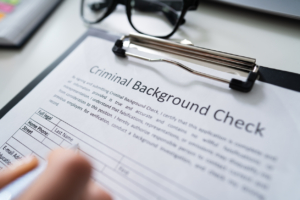
A misdemeanor may be considered a minor criminal offense, but it can still have lasting effects on your personal and professional life.
Even a single conviction can appear on background checks, affect employment, housing, and professional licensing.
Understanding how long a misdemeanor stays on your record is crucial for planning your next steps.
Exploring options like expungement or record sealing can help reduce its impact. Consulting a Houston criminal defense attorney can ensure your rights are protected and guide you through the legal process.
What Are Misdemeanor Records
Knowing the details of your misdemeanor record is essential, and consulting a criminal defense attorney near me can help protect your rights.
A misdemeanor is any criminal offense that is less severe than a felony but still punishable by fines, probation, or short-term jail time.
Common examples include:
- Minor theft or shoplifting
- Simple assault or domestic violence
- DUI or DWI offenses
- Vandalism or property damage
Duration of Misdemeanor Records
Understanding how long a misdemeanor stays on your record is essential, and contacting Juan L. Guerra, Jr. & Associates, PLLC can help you explore your legal options.
The duration depends on the type of offense, state laws, and your individual circumstances.
- Permanent vs Temporary Records: Some misdemeanors remain on your criminal record permanently, appearing in background checks, public court records, and employment screenings. Less serious offenses or first-time charges may be eligible for temporary record sealing or expungement.
- Type of Misdemeanor: Violent or serious offenses, like assault or DUI with injury, are more likely to stay permanently. Minor property or traffic offenses may be eligible for early record relief.
- Jurisdictional Laws: Each state sets its own rules for how long misdemeanors remain visible. Some states allow certain offenses to be expunged after a few years, while others keep records indefinitely.
- Prior Convictions: Repeat offenders often face longer record retention, as multiple convictions reduce eligibility for expungement or sealing.
- Sentence Completion: Completing probation, fines, or court-mandated programs may make you eligible for earlier record relief.
- Aggravating Factors: Use of a weapon, injury to victims, or other serious circumstances can prolong the visibility of a misdemeanor and make expungement more challenging.
Record Sealing Options
Understanding your options for expungement or record sealing is essential to protect your future and minimize the impact of a misdemeanor.
Who Qualifies for Expungement
Not everyone can have a misdemeanor removed from their record.
Common eligibility requirements include:
- First-time offenders
- Completion of probation or sentence requirements
- Non-violent or low-level offense
How to Remove a Misdemeanor from Your Record
Sealing or expunging a record typically involves:
- Filing a petition with the court
- Meeting eligibility requirements
- Attending a court hearing if required
Consequences of Misdemeanor
Even minor misdemeanor convictions can have lasting effects on your personal and professional life.
- Employment and Professional Licensing: A misdemeanor can affect job prospects, especially in fields like healthcare, finance, or law enforcement.
- Housing and Rental Applications: Landlords may review misdemeanor records when evaluating rental applications.
- Background Checks for Loans or Insurance: Financial institutions may consider misdemeanor records when approving loans, insurance, or other services.
- Volunteer and Public Opportunities: Misdemeanors may limit eligibility for volunteering or positions requiring security clearance.
- Expungement and Record Sealing Benefits: Being proactive with legal remedies can reduce barriers and protect your personal and professional prospects.
Legal Assistance for Misdemeanor Records
Getting professional legal help is essential to minimize the long-term impact of a misdemeanor on your record.
A skilled attorney can guide you through the process and protect your rights.
- Review Your Case for Legal Errors: Ensure all procedures were properly followed and identify potential defenses.
- Advise on Expungement or Record Sealing: Determine eligibility and guide you through filing petitions to limit public access to your record.
- Negotiate Plea Deals or Alternative Sentencing: Work with prosecutors to reduce charges, fines, or jail time.
- Hire Early in the Process: Early legal intervention increases the chances of favorable outcomes.
- Complete Court-Ordered Programs and Fines: Fulfill all obligations to improve eligibility for record relief.
- File for Expungement or Sealing When Eligible: Take timely action to minimize long-term consequences on employment, housing, and other opportunities.
Why Hire a Criminal Defense Lawyer
Hiring a criminal defense lawyer is crucial when dealing with a misdemeanor, as even minor offenses can have long-term consequences.
They can review your case, challenge evidence, and ensure that proper legal procedures were followed.
A skilled attorney can negotiate reduced charges, alternative sentencing, or assist with expungement and record sealing.
Early legal intervention helps prevent permanent damage to your criminal record and protects employment opportunities.
Additionally, they provide guidance to maintain financial stability and personal rights throughout the legal process.



Leave Your Comment