

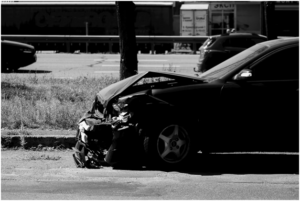
If you’ve ever been in a serious car accident, you know the impact can go far beyond the obvious.
Injuries like whiplash or traumatic brain injuries might not show symptoms right away, but they can seriously affect your life.
Understanding these common injuries can help you recognise the signs early and seek the right care.
But what about the less visible damage that can slowly take a toll on your health?
Whiplash and Neck Injuries
Although whiplash might sound like a minor injury, it can cause significant pain and long-term issues if left untreated.
You might experience sharp neck pain, stiffness, or headaches soon after a collision.
These symptoms result from the sudden jerking motion that strains your neck muscles and ligaments.
Ignoring whiplash can lead to chronic discomfort and limited mobility, impacting your daily life.
That’s why early diagnosis and treatment are essential.
To protect yourself, practice injury prevention by maintaining good posture while driving and using headrests correctly.
Wearing your seatbelt properly also helps reduce the risk.
If you’re involved in a car accident, don’t dismiss neck pain.
Seek medical attention promptly to guarantee proper care and avoid complications down the road.
Traumatic Brain Injuries
When a car accident causes a sudden impact to your head, you might suffer a traumatic brain injury (TBI) that isn’t always immediately obvious.
Even if you feel fine initially, symptoms like headaches, dizziness, or confusion can develop later.
A TBI can lead to cognitive impairment, affecting your memory, concentration, and decision-making abilities.
Beyond the physical, you might experience emotional effects such as irritability, anxiety, or depression, which can strain relationships and daily life.
Along with prompt medical care, understanding your options with experienced auto accident injury lawyers in Odessa can help clarify next steps when long-term effects impact your ability to work or function normally.
Don’t ignore subtle changes in how you think or feel—acknowledging these signs can protect your health and help you get the support you deserve.
Spinal Cord Injuries
Injuries to the brain often come with serious consequences, but damage to the spinal cord can be just as life-altering.
When you suffer a spinal cord injury in a car accident, it can disrupt communication between your brain and body, leading to varying degrees of paralysis or loss of sensation.
You might face challenges like:
- Permanent nerve damage affecting movement and sensation
- Difficulty with bladder and bowel control
- Need for extensive spinal cord rehabilitation
- Risk of secondary complications like infections
Understanding these risks is vital because early intervention can improve outcomes.
If you or a loved one experiences such an injury, pursuing specialised spinal cord rehabilitation can make a significant difference in regaining independence and quality of life.
Don’t hesitate to seek expert care and support—it’s essential for your recovery journey.
Broken Bones and Fractures
If you’ve been in a car accident, you might face broken bones or fractures that vary in type and severity.
Commonly broken bones include ribs, arms, and legs, each requiring specific treatment to heal properly.
Understanding what to expect during recovery can help you stay informed and focused on getting better.
Types of Fractures
Although fractures might seem straightforward as simply broken bones, they actually come in various types that affect your treatment and recovery.
Understanding these differences can help you anticipate the healing process and necessary care.
For example, comminuted fractures involve the bone shattering into several pieces, often requiring surgery, while stress fractures are tiny cracks caused by repetitive force, needing rest and careful monitoring.
Other common types include:
- Simple fractures: A clean break that doesn’t pierce the skin
- Compound fractures: Where the bone breaks through the skin, increasing infection risk
- Greenstick fractures: Partial breaks are common in children
- Transverse fractures: Breaks straight across the bone
Knowing your fracture type can empower you to work with your medical team for the best recovery.
Commonly Broken Bones
Understanding the different types of fractures gives you a solid foundation, but it’s also helpful to know which bones are most often affected in car accidents.
Commonly broken bones include the ribs, collarbone, wrists, and ankles—areas vulnerable during sudden impacts.
These fractures vary in severity, and knowing this can prepare you for what lies ahead.
Recovery timelines depend on the bone involved and the extent of the break, so you might face weeks or even months of healing.
Rehabilitation exercises play an essential role in restoring strength and mobility, helping you regain normal function.
By recognising these common injuries, you’re better equipped to advocate for yourself and seek the right care, ensuring your recovery is as smooth and effective as possible.
Treatment and Recovery
Once you’ve been diagnosed with a broken bone from a car accident, your treatment plan will focus on stabilising the injury and managing pain to promote healing.
Depending on the severity, your doctor may recommend a cast, splint, or surgery.
Recovery doesn’t end there—rehabilitation therapies play an essential role in restoring strength and mobility.
You might also require long-term care to address complications or guarantee full restoration.
Here’s what your treatment and recovery could involve:
- Immobilisation to keep bones aligned
- Pain management strategies
- Physical therapy to regain function
- Ongoing monitoring for complications
Internal Organ Damage
Because internal organ damage often isn’t visible right after a car accident, you might not realise how serious your injuries are.
Internal bleeding and organ lacerations can occur without obvious signs, but they pose life-threatening risks.
If you experience intense abdominal pain, dizziness, or weakness, seek medical attention immediately.
These injuries require prompt diagnosis and treatment to prevent complications like shock or infection.
Don’t ignore subtle symptoms, even if you feel relatively okay initially.
Early intervention can be the difference between a full recovery and lasting damage.
Remember, your body needs a thorough evaluation after a serious collision.
Prioritise your health and get checked—your internal organs might be silently injured, but timely care can protect your well-being and save your life.
Soft Tissue Injuries
You might experience soft tissue injuries like sprains, strains, or bruises after a car accident, which often cause pain, swelling, and limited movement.
These injuries usually result from sudden impacts or awkward twists during the crash.
Understanding common symptoms and exploring treatment options early can make a big difference in your recovery.
Types of Soft Tissue Injuries
Soft tissue injuries are among the most common and often overlooked consequences of car accidents.
When you’re involved in a collision, the impact can cause damage to muscles, ligaments, and tendons—these are the soft tissue injury types you should know about.
Recognising these can help you seek timely treatment and avoid long-term complications.
Here are some common soft tissue injury types:
- Sprains: Stretching or tearing of ligaments.
- Strains: Injury to muscles or tendons.
- Contusions: Bruising from blunt force trauma.
- Whiplash: Neck injury from sudden, forceful movement.
Understanding these injury types is essential.
They may not always show immediate symptoms, but ignoring them can worsen your recovery.
If you’ve been in an accident, pay close attention to any discomfort or stiffness—you deserve proper care.
Common Causes and Symptoms
Several factors contribute to the development of soft tissue injuries during a car accident, and knowing what to watch for can make a big difference in your recovery.
A thorough causes analysis reveals that sudden impacts and rapid movements, like whiplash, strain muscles and ligaments, leading to tears or inflammation.
You might experience pain, swelling, bruising, stiffness, or limited range of motion—key symptoms that shouldn’t be ignored.
Symptom identification is essential because soft tissue injuries often don’t show up on X-rays but can cause significant discomfort and long-term issues if untreated.
By understanding these causes and recognising early signs, you can seek timely medical attention, improving your chances of a smoother recovery and preventing further complications.
Your awareness truly empowers your healing journey.
Treatment and Recovery Options
A few key treatment options can greatly ease the pain and speed up your recovery from soft tissue injuries caused by car accidents.
Managing discomfort effectively and restoring function are essential, and you don’t have to face this alone.
Incorporating proper rehabilitation techniques helps rebuild strength and flexibility, while tailored pain management keeps you comfortable throughout your healing process.
Here are some treatment and recovery options to take into account:
- Physical therapy focusing on mobility and strength
- Use of ice or heat to reduce inflammation and ease pain
- Over-the-counter or prescribed pain medications as advised
- Gentle stretching and strengthening exercises guided by professionals
Cuts and Lacerations
Because car accidents often involve sudden impacts and broken glass, cuts and lacerations are common injuries you might face.
These wounds can range from minor scrapes to deep cuts that require immediate medical attention.
It’s important to seek proper laceration treatment to prevent infection and promote healing.
If you don’t get timely care, complications like scarring or prolonged recovery can occur.
While some cuts are unavoidable in serious crashes, understanding cut prevention—like wearing seat belts and keeping airbags functional—can reduce your risk.
Remember, prompt medical evaluation guarantees the best outcome.
Don’t ignore even seemingly small cuts; they might be more serious than they appear.
Taking quick action can protect your health and help you recover more smoothly after an accident.
Chest Injuries and Rib Fractures
Chest injuries and rib fractures can be some of the most painful and serious consequences of a car accident.
If you experience chest pain or suspect rib displacement, it’s essential to seek medical attention immediately.
These injuries not only cause intense discomfort but can also lead to complications like punctured lungs or internal bleeding.
You might notice:
- Sharp, persistent chest pain worsened by breathing or movement
- Difficulty breathing or shortness of breath
- Visible bruising or swelling around the ribs
- Tenderness when pressing on the chest area
Don’t ignore these symptoms. Prompt diagnosis and treatment can prevent long-term damage and improve your recovery.
Remember, your health and safety come first—getting care quickly can make all the difference.
Psychological Trauma and PTSD
Even if you walk away from a car accident without physical injuries, you might still find yourself struggling with deep emotional scars.
The emotional impact of such trauma can be overwhelming, often leading to psychological conditions like PTSD.
You might experience flashbacks, anxiety, or difficulty sleeping, making daily life challenging.
Recognising these signs early is vital.
It’s important to understand that these feelings are valid and that you’re not alone.
Seeking professional support can help you develop effective coping strategies, allowing you to regain control over your life.
Don’t hesitate to reach out to mental health professionals, support groups, or trusted friends and family.
Taking these steps can greatly ease your emotional burden and promote healing after a serious car accident.
Burns and Road Rash
Alongside emotional wounds, car accidents often leave physical injuries that can be painful and require immediate care.
Burns and road rash are common and can vary widely in burn severity, affecting your recovery timeline.
You might experience anything from mild abrasions to deep tissue damage, each needing specific treatment options.
It’s essential to understand:
- The degree of burn severity impacts healing and scarring
- Prompt cleaning reduces infection risk in road rash
- Medical evaluation guides appropriate treatment options
- Proper wound care aids in faster recovery and minimises complications
If you’ve suffered burns or road rash, don’t delay seeking help.
Early intervention can prevent complications and improve outcomes.
You deserve compassionate care that addresses both physical pain and long-term healing.
Frequently Asked Questions
How Soon Should I Seek Medical Attention After a Car Accident?
You should seek emergency care immediately after a car accident, even if you feel okay.
Then, don’t skip follow-up appointments—they’re essential to catch hidden injuries and guarantee you heal properly.
Your health matters.
What Legal Rights Do I Have After a Car Accident Injury?
You have compensation rights to recover damages for your injuries and losses.
Don’t hesitate to seek legal representation—they’ll protect your interests, negotiate with insurers, and guarantee you get the fair settlement you deserve after your accident.
How Can I Document Injuries for Insurance Claims?
You’ll want to keep detailed injury documentation, including photos, medical reports, and doctors’ notes.
This thorough record strengthens your insurance claims and guarantees you get the compensation you deserve.
Don’t hesitate to stay organized and persistent.
Can Delayed Symptoms Indicate a Serious Injury After a Crash?
Yes, delayed symptoms can definitely indicate a serious injury after a crash.
You shouldn’t ignore any new pain or discomfort—it’s essential to get checked by a doctor promptly to guarantee your safety and proper treatment.
What Steps Should I Take Immediately After a Serious Car Accident?
Right after a serious accident, you should call emergency response immediately, check for injuries, and stay safe.
Also, gather accident documentation like photos and witness info to protect yourself and support any claims later.


Leave Your Comment