

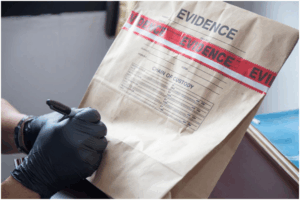
If you’ve been hurt in a Florida motorcycle crash, let’s be honest, whether you get fair compensation often comes down to forensic evidence.
Physical clues from your gear and bike, medical records, what bystanders saw, surveillance video, and professional reconstruction all play a role in tying your injuries to the accident and figuring out who’s at fault (and by how much).
So, what kinds of forensic proof actually move the needle, and how do they work together when you’re dealing with insurance companies or settlement talks?
Here’s a look at what matters most: how to hang onto helmet and bike evidence, why you need to get medical documentation fast, tips for grabbing digital footage before it disappears, and how reconstruction technicians can help push back against insurer arguments.
Oh, and when is it time to call in legal help, like Florida motorcycle accident claims attorneys, to take a look at your case?
Let’s dig in.
Core Types and Roles of Forensic Evidence in Florida Motorcycle Injury Claims
Forensic evidence is what ties the facts of the crash scene to your injuries, the timeline, and who’s really responsible.
The key stuff?
Official reports, photos, and video, and medical paperwork, all of which build the foundation of a solid motorcycle accident claim.
Police Reports and Accident Documentation
Police reports give you the formal timeline and what the responding officers noticed, details you and your motorcycle accident attorney will lean on right away.
The report should lay out things like where the crash happened, road conditions, skid marks, where the vehicles ended up, and who got cited.
Those details can really sway initial liability decisions and what insurers are willing to offer.
Lawyers often ask for crash reconstruction diagrams and any extra notes the police have.
If the officer took down witness statements or measured distances, that stuff can make your claim a lot stronger, whether you’re settling or going to court.
Always keep the original report number handy and ask for certified copies, trust me, you don’t want headaches about authenticity later.
Other useful documentation includes tow records, repair estimates, and traffic cam logs.
These help your attorney line up physical damage with how the crash supposedly happened, and they’re key for showing the value of any property loss.
Photographs and Video Footage
Clear photos and videos show the damage to your bike, your injuries, road issues, traffic lights or signs, and what things looked like at the moment of impact.
Whether it’s smartphone pics snapped at the scene, security camera footage, or dashcam video, each type brings something unique to a motorcycle accident claim.
Your legal team will usually timestamp and organize all this media to preserve the chain of custody.
Close-ups of impact spots, plus wide shots of the scene, help back up what’s in the police report and support professional opinions.
Video can be especially revealing, it might catch things like speed, sudden swerves, or someone failing to yield that still images just can’t show.
Don’t wait to save originals and make backup copies.
If there’s video from city or business cameras, ask for it ASAP or have your attorney send a subpoena before it gets deleted.
Photos and videos tend to have a big impact on adjusters and juries since they’re hard to argue with, they show what really happened.
Medical Records and Injury Documentation
Medical records are basically the backbone for valuing injuries in a motorcycle accident claim.
Doctor’s notes, imaging (like X-rays, CTs, MRIs), surgical write-ups, and physical therapy records all lay out what happened, how you were treated, and what your recovery looks like.
These documents prove the crash caused your injuries, something your lawyer has to show.
It’s important to have a steady trail of treatment records from your first ER visit through all your follow-ups.
That way, insurers can’t argue your injuries were preexisting.
Don’t forget about bills, receipts for things like crutches, and paperwork for missed work, they help turn your treatment into actual dollar amounts.
When doctors document things like broken bones, cuts, or nerve issues, that evidence carries serious weight in mediation or court.
Attorneys will often bring in medical professionals to break down these records for a jury in plain English.
The more thorough and accurate your medical files, the better your shot at fair compensation after a motorcycle accident.
Qualified Analysis and Legal Strategies Involving Forensic Evidence
Now, let’s look at how technical analysis, legal rules, and careful evidence handling all come together after a Florida motorcycle crash.
We’ll get into reconstruction methods, how fault gets assigned under state law, and why preserving both physical evidence and witness testimony can make or break your settlement or trial.
Accident Reconstruction and Specialist Testimony
Accident reconstruction professionals dig into things like scene measurements, vehicle damage, skid marks, and data from onboard computers to piece together what really happened.
They’ll put together a report that details speed, angles of impact, and what each driver or rider did before the crash, numbers that juries and insurance adjusters pay close attention to.
It’s smart to get a reconstruction pro involved early so they can document the scene and grab any electronic data from the bike or cameras before it’s lost.
When they testify, they need to explain their assumptions, how much wiggle room there is in their calculations, and break down their methods in a way regular people can actually understand.
Visuals like photos, diagrams, or even short animations can help, as long as they don’t oversell their certainty.
Your lawyer will work with these forensic professionals to poke holes in the other side’s story, challenge their timeline, and question their take on things like vehicle movement or lines of sight.
Establishing Liability and Modified Comparative Negligence
Florida uses modified comparative negligence, meaning you can only recover if you’re less than 50% at fault.
Figuring out those percentages? It’s all about linking each person’s actions at the scene to what actually caused the injuries.
Lawyers rely on reconstruction reports and timelines from witnesses to divvy up fault between drivers, riders, or even third parties.
For example, if a reconstruction professional says a car merged into your lane too fast, that could put more blame on the driver and reduce (or even wipe out) your share of fault under the law.
Attorneys also push for admissions, pull traffic cam video, and compare physical evidence to what people say under oath to spot any inconsistencies.
All of this is aimed at lowering your assigned percentage of blame and boosting the amount you’re able to recover under Florida’s comparative-fault rules.
Preserving Physical Evidence and Witness Statements
Acting quickly really matters, if you wait, you risk losing stuff that might actually prove what happened or who’s at fault.
Lawyers should jump on collecting things like busted helmets, torn-up riding gear, broken motorcycle parts, and any vehicle event data recorders before anyone repairs or tosses them out.
It’s surprising how fast those things can disappear.
It’s not just about the physical items, either.
You’ve got to lock down paperwork, too: grab repair estimates, medical records, and whatever measurements the reconstruction professional took.
In serious crashes, documentation from forensic experts, such as those trained in blood spatter analysis, can also help clarify how an impact occurred and support liability arguments.
And don’t put off getting written witness statements, get them signed and dated as soon as you can.
Little details, like notes about the weather, lighting, or even what the road looked like at the time, can seriously boost your case’s credibility.
To make sure evidence holds up, use chain-of-custody forms, snap photos of the items’ condition, and store fragile pieces somewhere safe.
It’s a hassle, but it pays off in court.
Attorneys really need to tell clients: don’t mess with your gear, and definitely don’t post about the incident online.
Changing evidence or sharing too much on social media can hurt your case, and sometimes, it gives the other side an easy excuse to pay out less.


Leave Your Comment