

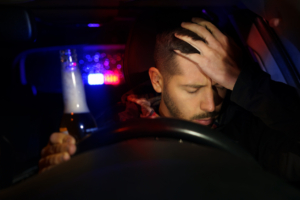
Accidents caused by an intoxicated driver differ in many ways from regular accidents.
According to the National Highway Traffic Safety Administration, 11,904 people died in alcohol-impaired driving crashes in 2024.
This accounts for about 30% of all traffic fatalities that year.
The injured victim may not be liable but can face the destruction of their car.
You will have to go through the difficult process of seeking a claim when the accident causes injuries.
As such, knowing what to do after a car accident is important because your immediate actions can affect the outcome of a claim.
Let’s take a look at the steps that drunk driving accident victims should take to protect their rights properly and claim the compensation they deserve.
Right After the Crash
Safety should be the priority after a crash.
A person involved should move to a safe location when possible and contact 911, even if the damage initially appears minor.
For impaired-driving incidents, a police response is particularly important.
Responding officers usually conduct field sobriety tests or other assessments depending on the circumstances.
The officer’s observations, test results, and other findings may then be documented as part of the investigation.
Once you have guaranteed your personal safety, start collecting any evidence that you can find.
Take pictures of the cars involved.
Include pictures of the roadway itself and any evidence that suggests impairment.
Details like open containers, witness accounts of slurred speech, or inconsistent driving patterns are valuable to record, as long as doing so is safe.
Get the other driver’s details.
Obtain the contact information of people who saw what happened.
This action should not be delayed since memories fade quickly and the other driver’s explanation can start to change once their insurance company gets involved.
Get Checked Out, Even If You Feel Okay
People who are involved in an accident often feel fine because of adrenaline.
Adrenaline is a chemical hormone that is effective at covering up injury.
Soft tissue damage, concussions, and internal injuries don’t always make themselves known right away, sometimes not even for a day or two.
Getting a doctor involved promptly helps spot any medical complications early.
A visit to the doctor will also create a medical record that links to the date of the crash.
This record becomes important later if you need to show that your injuries came from this specific accident, not something that happened later on.
Keep every document that shows up after the hospital visit.
Medical bills, prescription records, and notes about work you missed all add up to a documented record of the crash’s true cost.
Watch What You Say and Where You Say It
Your insurance company needs to know about the crash, but there is a difference between filing a claim and giving a full, recorded statement before you even know the full reach of what happened and how serious your injuries really are.
People involved in a drunk driving accident should report the plain facts first and withhold other details until they have clearly grasped the circumstances of the accident and assessed what other relevant details might be needed.
Speaking with a drunk driving accident lawyer before giving a recorded statement can help protect what you say from being used against you later.
That same caution also applies to social media.
Insurance adjusters and defense attorneys routinely check claimants’ public social media pages for anything they can use to argue that the injury is less serious than you stated.
Sharing a seemingly harmless picture from a family event can unfortunately be twisted out of its real context or misinterpreted.
To avoid this problem, DUI accident victims are advised to refrain from posting any matters related to the drunk driving accident on social media until the legal disputes over the claims are settled.
The Criminal Case Runs Alongside the Civil One
A DUI crash typically starts two distinct legal proceedings.
The driver will face criminal prosecution for the DUI, while your path to reimbursement for medical bills, lost income, and pain and suffering is handled through a separate civil claim.
These two different processes run parallel to each other, but they can overlap in practice.
For instance, a criminal conviction can carry real weight in a civil lawsuit, since it points to the other driver actually being intoxicated.
In drunk driving cases, certain states allow injured parties to claim punitive damages.
This type of damage is a remedy awarded to victims on top of the other compensatory damages.
Courts often view drunk driving as more extreme than ordinary negligence, which can qualify it for punitive damages.
The issue of whether punitive damages are recoverable and how they will be applied will vary by state and in different cases.
Why the Timeline Matters
Evidence in cases like these doesn’t keep around forever.
Traffic camera recordings get overwritten, witnesses can become harder to contact, and even the physical proof tied to the vehicles themselves can be fixed up or scrapped before anyone remembers to keep it.
The earlier someone starts documenting what went down and preserves it, the more forceful the eventual case often turns out to be.
In cases like these, it often helps to bring a lawyer in early.
Immediate legal intervention is necessary in cases involving serious injuries or where the driver might not have sufficient coverage to pay the amount owed.
When the two lanes are coordinated well, the results in both can be influenced in a meaningful way.
A drunk driver can turn a crash into a complicated situation.
The victim of the crash would have to deal with legal aspects, insurance negotiations, and the day-to-day process of recording their injuries all at once.
Doing the steps listed above right won’t erase what took place, but it does help you seek proper recovery.


Leave Your Comment