

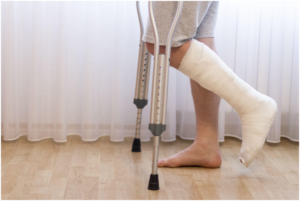
When you suffer an injury in Las Vegas, the circumstances surrounding that injury determine whether someone else bears legal responsibility.
Nevada law allows injured people to seek compensation from those whose negligence caused harm, but liability is not automatic.
Understanding the specific indicators that point to another party’s fault can help you assess your situation more clearly before taking any legal steps.
Someone Owed You a Duty of Care
Nevada personal injury law is built on the concept of duty, and the first question in any liability analysis is whether the other party had a legal obligation toward you.
If you want to call De Castroverde Law Group after an accident in Las Vegas, having a clear understanding of duty can sharpen the conversation.
Property owners, drivers, businesses, and employers each carry duties defined by statute or common law.
In Nevada, businesses that invite customers onto their premises carry a duty to maintain reasonably safe conditions under NRS 41.130 and related negligence principles.
Drivers must follow Nevada’s traffic laws, including NRS Chapter 484B, which governs speed, right-of-way, and safe following distance.
The Other Party Failed to Meet That Standard
Once a duty exists, the next indicator of liability is a breach, meaning the other party’s conduct fell below what a reasonable person would do in the same situation.
A driver who ran a red light, a property owner who ignored a known water leak, or a casino that failed to address a broken staircase rail are all examples of potential breaches.
Courts apply an objective standard: what would a reasonably careful person have done?
Nevada does not require proof of intent.
A momentary lapse in attention behind the wheel can satisfy the breach element just as fully as deliberate disregard for safety protocols.
A Direct Connection Exists Between the Breach and Your Injury
Liability requires more than showing that someone acted carelessly.
You must also demonstrate that the breach was the actual and proximate cause of your specific injury.
Actual cause asks whether the harm would have occurred without the negligent conduct.
Proximate cause limits liability to harms that were a foreseeable result of the breach.
Nevada courts follow the “but for” test for actual causation in most civil cases.
If your injury had happened regardless of the other party’s conduct, causation fails, and liability does not attach.
You Suffered Measurable, Documented Harm
Negligence without damages does not produce a viable personal injury claim under Nevada law.
Your injuries must be concrete and supported by evidence, which typically includes medical records, treatment costs, lost income documentation, and, in some cases, expert testimony on long-term impact.
Nevada allows recovery for both economic and non-economic damages under NRS 41.130.
Economic damages cover quantifiable losses like medical bills and lost wages.
Non-economic damages address pain, suffering, and loss of enjoyment of life, though Nevada does not cap these in most personal injury cases outside of medical malpractice.
Nevada’s Fault Rules Do Not Bar Your Recovery
Nevada follows a modified comparative negligence standard under NRS 41.141.
It means your own percentage of fault reduces your compensation proportionally, but you can still recover as long as you are not more than 50 percent at fault for the incident.
If a court finds you 30 percent responsible, your award is reduced by that same percentage.
This rule matters because the other party will often argue that your own actions contributed to the accident.
If your fault is assessed at 51 percent or higher, Nevada law bars recovery entirely.
Gathering evidence early, such as surveillance footage, photographs, and witness statements, helps establish a clearer account of what happened.
What These Signs Mean for Your Situation in Nevada
Liability in a Nevada personal injury case rests on four elements working together: duty, breach, causation, and damages.
When those elements are present, and your own negligence does not exceed half of the total fault, you have a viable path to compensation under state law.
The signs outlined above are not a guarantee of a specific outcome, but they reflect the legal framework Nevada courts apply when evaluating injury claims.
If the facts of your situation align with these indicators, you have a foundation worth examining further with accurate documentation and a clear understanding of the state’s statutes.



Leave Your Comment