

For students pursuing a legal career, documentation and identity verification are concepts they will encounter repeatedly throughout their professional lives.
Interestingly, one of the earliest examples of this process begins long before law school, during school and college enrollment.
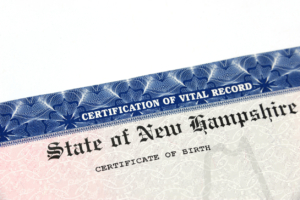
A birth certificate is not just a basic administrative requirement.
It is a foundational legal document that plays a critical role in educational access, compliance with regulations, and institutional recordkeeping.
Understanding its importance provides early insight into how legal systems rely on verified documentation to ensure fairness, accuracy, and accountability.
This article explores why birth certificates are required for school and college enrollment, how they intersect with legal and administrative processes, and what documents are commonly requested during academic admissions.
Why Birth Certificates Matter From a Legal Perspective
From a legal standpoint, a birth certificate serves several essential functions within educational institutions.
- Proof of legal identity
Schools and universities rely on birth certificates to verify a student’s legal name and identity. This reduces the risk of administrative errors, duplicate records, or identity discrepancies, issues that can later affect diplomas, transcripts, and even professional licensing. - Age verification and eligibility
Birth certificates establish a student’s date of birth, which determines eligibility for grade placement, standardized testing, scholarships, and age-restricted programs. - Legal and regulatory compliance
Many jurisdictions legally require educational institutions to collect certified documentation as part of enrollment. Failure to do so may place schools at risk of non-compliance with education or child protection laws.
Required Documents for School and College Enrollment
While requirements vary by institution and jurisdiction, schools and colleges typically request the following documentation:
- Birth certificate: A certified copy of your child’s birth certificate is a must because it serves as proof of identity and age.
- Proof of residency: A child’s residency determines which school district they are assigned to, and, by law, students are required to attend the school within their designated zone. In order to verify residency, schools typically request documents like a lease agreement, a mortgage statement, or a utility bill.
- Immunization records: Schools require an up-to-date immunization record to comply with public health regulations. It’s best to contact the school in advance for a complete list of required vaccinations and to make sure your child’s records are current (or schedule a quick trip to the family doctor before back-to-school season starts!)
- School records & transcripts: For new enrollments, previous school records help determine appropriate grade placement. For college or university admissions, academic transcripts and standardized test scores (like SAT or ACT) are used to determine if a student is admitted into the college/university.
- Parent or guardian identification: A government-issued ID, such as a driver’s license or passport, is typically required to verify the identity of the parent or guardian responsible for the enrollment. Some schools may also require a parent or guardian to sign off on additional paperwork.
- Proof of legal custody (if applicable): If parents are divorced, separated, or if the child is under guardianship, schools may ask for legal documentation confirming custody arrangements or guardianship rights.
How to Obtain Certified Birth Certificates
The birth certificate is typically the first document requested during enrollment.
If the original certificate is unavailable, certified copies can be obtained through authorized providers.
Online services such as USBirthCertificates.com allow families to request certified birth certificates efficiently by submitting basic personal information and completing a secure application process.
Ensuring that names, dates, and personal details are accurate is essential, as discrepancies may cause delays in enrollment and future academic or legal procedures.
Early Exposure to Legal Processes in Education
Enrollment documentation introduces students to administrative and legal processes early in life.
Identity verification, compliance checks, and record accuracy reflect the same principles used later in legal education, law school admissions, and professional licensing.
Students interested in competitive academic paths may encounter increasingly detailed screening processes as they advance.
Those planning to pursue elite legal education can benefit from understanding these requirements early, as outlined in this resource:
https://legalcareerpath.com/tips-for-applying-to-an-ivy-league-law-school/
Understanding how foundational documents such as birth certificates fit into regulated systems provides valuable context for students considering a future in law or legal administration.


Leave Your Comment