

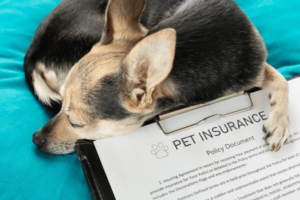
Many pet owners do not realize that these denials are not informal decisions.
We talk about contractual determinations made by the company managing your pet’s policy, based on how medical histories and definitions are interpreted.
So, understanding when a pet insurance denial crosses from a routine disagreement into a legal issue is very necessary.
We explain 5 clear indicators to seek legal help after a claim rejection, and why acting early can help you reduce horrible financial losses.
Let’s dive right in.
5 Indicators to Seek Legal Help for Your Pet’s Insurance
When a Lawyer Becomes Essential After Denial
You typically need a pet insurance lawyer when the denial starts revolving around how the policy is interpreted.
At that point, the issue becomes a contractual dispute about whether the company managing your pet’s policy applied its own terms correctly:
- Denials that cite exclusions without identifying the exact policy language relied upon
- Explanations that change across emails, letters, or phone calls, suggesting the insurer is adjusting its reasoning
- Appeal timelines that are enforced selectively, especially when delays come from the insurer rather than from you
- Assumptions about your pet’s condition instead of on documented veterinary findings or treatment records
- Refusal to provide detailed written explanations
Here, the situation has usually moved beyond routine customer service.
Legal guidance can bring accountability under the policy and applicable claims handling standards.
Repeated Denials by the Company Managing the Policy
Multiple rejections after you submit clarifications often point to a fixed internal position rather than.
Over time, that can harden into default justifications:
- Updated veterinary diagnoses are being ignored when they directly address the insurer’s stated reason for denial
- Speculative connections drawn between past symptoms and current conditions
- Appeals rejected without meaningful analysis
- Exclusions applied inconsistently across related claims, with uncertainty about how the policy is actually enforced.
- Identical denial language was reused, indicating that additional documentation is not being considered.d
Legal analysis helps determine whether the coverage company’s position is contractually sound or whether the claim is being rejected with an unfair review.
Denials Based on Pre-Existing Condition Claims
These are one of the most frequent reasons pets’ claims are denied, and also one of the most disputed.
Past veterinary notes that were routine or unrelated may be pulled forward and treated as evidence of a pre-existing condition.
Warning signs that a pre-existing condition denial may require legal attention:
- General or nonspecific symptoms are being linked to later diagnoses without a medical explanation connecting the two
- Routine wellness notes treated as proof of disease
- Clear onset dates documented by veterinarians are being ignored in favor of earlier speculative references
- Pre-existing exclusions applied retroactively
- Denials that fail to explain how the medical evidence supports the conclusion
These situations often benefit from coordinated legal and medical record analysis, especially when the denial rests on interpretation only.
Lack of Transparency from the Coverage Company
When the coverage company does not explain how it reached its decision, responding becomes difficult because you cannot address the reasoning that is never fully stated.
Companies are expected to explain denials by referencing specific policy provisions and factual findings from the claim.
For this, attorneys request specific explanations, insist on policy citations, and document inconsistencies that might otherwise remain unresolved when communication stays informal:
- Denial letters that do not reference specific policy sections leave you without a clear basis to evaluate the decision
- Refusal to explain how medical records or evidence were reviewed, even after direct questions are raised
- Repeated requests for documents you already submitted, creating unnecessary delay without advancing the review
- Different explanations provided by different representatives make it unclear which reasoning controls the denial
- No response after an appeal is submitted, despite prior communication during earlier stages of the claim
The lack of transparency itself becomes part of the problem because it prevents you from understanding the basis of the denial or responding to it in a meaningful way.
With proper legal involvement, you can force the coverage company to explain its reasoning in a documented and accountable manner.
Financial Impact that Exceeds Manageable Limits
Many policyholders delay seeking help until out-of-pocket costs begin to accumulate and immediate decisions about care can no longer be postponed.
The risk increases when claims involve ongoing treatment or conditions that require repeated care, and without intervention, denials turn into a financial burden over time.
Financial warning signs:
- High-cost treatments are denied without a clear justification
- Ongoing care is excluded based on disputed determinations when those determinations rely on interpretation
- Cumulative denials that affect future claims, limiting reimbursement beyond the initial incident
- Unexplained reductions in reimbursement amounts with no clear reference to policy terms
- Uncertainty around coverage for upcoming procedures without knowing what will be reimbursed
This helps you evaluate whether continued denials are likely and avoid making long-term decisions about your pet’s care under limited information.
Recognizing the Moment to Seek Legal Clarity
A denied pet insurance claim does not automatically require legal involvement, but certain signals make it clear when informal efforts are no longer enough.
When a denial is rooted in how the policy is interpreted or how evidence is weighed, legal guidance helps ensure the claim is reviewed within contractual and procedural standards.
Identifying that moment can make all the difference and preserve your ability to challenge it effectively.
Frequently Asked Questions
When should I contact a Pet Insurance Lawyer after a denial?
When denials rely on unclear explanations, repeated exclusions, or questionable interpretations, early legal review is helpful.
Does legal help always mean litigation?
No, many disputes are resolved through structured appeals, documentation review, or regulatory pressure.
Are pet insurance denials regulated?
Yes, insurers are subject to consumer protection standards and industry guidance, though rules differ from human insurance.
Can a lawyer help if my appeal was already denied?
Yes, attorneys can assess whether appeal procedures were properly followed and whether further action is available.


Leave Your Comment