

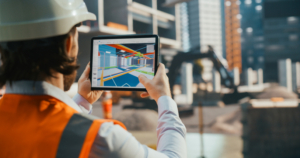
The construction world has changed.
Digital tools now control almost everything – from blueprints to final inspections.
But who makes sense of all this technology for building owners?
That’s where the owner’s representative steps in.
Construction projects today create massive amounts of data.
Someone needs to sort through it all.
The owner’s rep has become the person who turns confusing tech information into clear business decisions.
When Digital Tools Meet Real Construction
Technology doesn’t just help anymore – it runs the show.
Every nail, every beam, every dollar gets tracked by some app or system.
Smart Software Takes Control of Projects
Project management platforms have gotten scary good.
They predict problems before they happen.
The owner’s representative uses these tools to watch everything at once:
- Budget tracking that updates every hour
- Schedule alerts when delays might occur
- Resource planning that prevents shortages
- Quality checks through digital checklists
These systems talk to each other now.
No more lost emails or forgotten updates.
The construction owner’s representative sees the whole picture on one screen.
But here’s the thing – software can’t think like humans do.
It spots patterns but misses context.
That’s why experienced professionals still matter.
They know when to trust the data and when to dig deeper.
BIM Creates Virtual Buildings Before Real Ones
Building Information Modeling sounds fancy, but it’s basically playing with digital Legos before buying real bricks.
Every pipe, wire, and wall exists in the computer first.
The owner’s representative uses BIM to catch mistakes early.
Imagine discovering that the electrical system conflicts with the plumbing – but only after both are installed.
BIM prevents these expensive surprises.
Teams can test different ideas in the virtual building.
What if we move this wall?
How much would it cost?
BIM answers these questions without breaking ground.
The owner’s representative helps owners understand these options without getting lost in technical details.
Mobile Apps Put Construction Sites in Your Pocket
Construction used to mean being tied to the job site.
Not anymore.
Mobile technology changed everything.
The owner’s rep can inspect progress from across the country.
Site photos upload automatically.
Reports generate themselves.
Problems get flagged in real-time.
But the best part?
Decision-makers can respond immediately instead of waiting for the next site meeting.
Smartphones and tablets have become the new hard hats.
They protect projects by keeping everyone informed and connected.
Technology Makes Risk Management Predictable
Construction always involved gambling – betting that everything would go according to plan.
Technology has made this gamble much safer.
Data Analytics Spot Trouble Before It Hits
Numbers tell stories, but only if you know how to read them.
The owner’s representative has become a data detective, searching for clues that predict problems.
Weather patterns affect concrete pours.
Supply chain delays impact steel deliveries.
Worker productivity changes with seasons.
Analytics tools track all these variables and warn when conditions align for potential issues.
This isn’t fortune-telling – it’s pattern recognition.
The same challenges repeat across different projects.
Smart analytics learn from past mistakes and flags similar situations before they cause delays or cost overruns.
Remote Monitoring Watches Everything
Drones buzz over construction sites like mechanical birds.
Sensors embedded in concrete report back on curing progress.
Cameras stream live footage to multiple devices.
The owner’s representative coordinates this digital surveillance network.
They decide which data matters and which can be ignored.
Too much monitoring creates noise.
Too few leaves leave blind spots.
Remote monitoring works best when it feels invisible.
Workers shouldn’t feel watched – they should feel supported.
Good monitoring systems help teams work better, not just work under observation.
Communication Platforms Connect Everyone
Construction projects involve dozens of companies and hundreds of workers.
Getting everyone on the same page used to require countless meetings and phone calls.
Modern communication platforms changed this completely:
- Instant messaging for quick questions
- Video calls for complex discussions
- Shared documents that everyone can access
- Automated notifications for important updates
The owner’s representative serves as the communication hub.
They filter information so owners get what they need without drowning in details.
But technology can’t fix poor communication habits.
Clear messages still require clear thinking.
The best platforms support good communication – they don’t create it.
Owner’s Representatives Bridge the Technology Gap
Technology creates opportunities, but it also creates confusion.
The owner’s rep translates between the digital world and business reality.
Making Sense of Multiple Systems
Modern construction projects use dozens of different software systems.
Each contractor brings their own preferred tools.
Each consultant has a favorite platform.
Someone needs to make them all work together.
The owner’s representative services include being a technology translator.
They understand how different systems share information and where gaps might exist.
When systems don’t talk to each other, they find ways to bridge the connection.
This coordination prevents information silos.
Everyone stays informed, but nobody gets overwhelmed by irrelevant data from systems they don’t use directly.
Independent Expertise in a Vendor-Driven World
Software companies love to sell solutions.
Contractors promote their favorite tools.
Everyone has something to gain from technology purchases – except maybe the building owner.
The owner’s representative provides unbiased advice about technology investments.
They evaluate tools based on project needs, not sales pitches.
Their loyalty stays with the owner, not any particular vendor.
This independence becomes more valuable as technology costs increase.
The wrong system can waste money and cause delays.
The right system pays for itself through improved efficiency and reduced problems.
Quality Control Through Digital Eyes
Technology has made quality control much more precise.
Digital tools can measure things human eyes miss.
They document everything for future reference.
But quality still depends on human judgment.
The owner’s representative uses technology to enhance quality control, not replace it.
They know when digital measurements matter and when experience trumps data.
Quality problems cost more to fix later.
Technology helps catch issues early, but only if someone knows what to look for.
The owner’s representative brings this expertise to the digital quality control process.
Summary
The construction industry’s technology revolution has created new possibilities and new challenges.
Digital tools can improve project outcomes dramatically, but only when used skillfully and strategically.
The owner’s representative has evolved from a traditional oversight role into a technology orchestrator who maximizes digital benefits while minimizing risks.
They serve as the crucial link between complex construction technology and successful project delivery.
As construction becomes increasingly digital, the value of experienced owner’s representative services continues to grow.
They ensure that technology serves the project, not the other way around.
For building owners who want to harness technology’s power without getting lost in its complexity, the owner’s rep provides essential guidance and expertise that turns digital tools into project success.


Leave Your Comment