

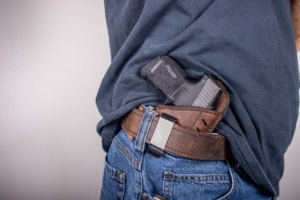
Transferring ownership of a firearm involves more than handing it over to another person.
Thus, laws regulate every step to protect public safety.
If you ignore the proper process, you risk serious legal consequences, even when the transfer seems harmless.
Hence, this article walks you through the key elements of firearm ownership and transfer.
Key Steps in the Firearm Transfer Process
If you’ve ever wondered how to sell a gun collection, the process involves more than just finding a buyer.
Each firearm counts as its own transfer, and you must follow the same legal steps for every one to keep the sale lawful and safe.
Here is the process to transfer a firearm.
Verify Eligibility
Federal law sets clear restrictions on who may not own a firearm.
These categories include convicted felons, individuals with domestic violence convictions, people under active restraining orders, and individuals courts rule mentally unfit.
Immigration status and dishonorable military discharges can also affect eligibility.
In addition to federal rules, states often impose additional requirements.
As such, some states require firearm permits, safety certificates, or proof of completed training before a purchase can take place.
Others have stricter age limits, raising the minimum from 18 to 21 for certain types of firearms.
Verifying eligibility protects everyone involved.
For sellers, it prevents accidental participation in an illegal transfer that could bring criminal charges or civil liability.
For buyers, it ensures they do not unintentionally break the law by taking possession of a firearm they are not legally allowed to own.
Choose the Right Transfer Method
Once eligibility is clear, the next step is deciding how the transfer will occur.
The method depends heavily on where the parties live and the type of firearm.
Some states allow private, face-to-face sales between residents without the involvement of a dealer.
However, even in those states, the law may require the seller to verify the buyer’s permit or firearm owner identification card.
Other states mandate that every firearm transaction, no matter how small, must be processed through a licensed dealer.
It ensures a background check and creates a paper trail.
If the transfer crosses state lines, federal law becomes stricter.
As such, a firearm cannot legally move from one state to another without going through a Federal Firearms License (FFL) holder.
It means the seller must ship or deliver the firearm to an FFL in the buyer’s state, where the dealer then completes the background check and paperwork.
This requirement applies whether you are selling a single firearm or an entire collection.
Complete Background Checks
Dealers run this through the National Instant Criminal Background Check System (NICS).
This review checks for criminal history, mental health disqualifications, and other red flags.
Some states extend this process by requiring buyers to obtain a permit or license before they can even attempt a purchase.
Some states require a waiting period between the background check and when the buyer can take possession of the firearm.
This period may last a few days or longer, depending on the jurisdiction.
Lawmakers designed these waiting periods as a cooling-off measure to prevent impulsive violence.
Fill Out Required Paperwork
Firearm transfers always come with paperwork, and completing it properly is critical.
The most common form is ATF Form 4473, which documents the details of the transaction and the buyer’s background information.
Many states also require their own forms to track sales and transfers within their borders.
Skipping or rushing through this stage can create legal problems down the road.
Document and Keep Records
Good record-keeping is the final step in a lawful firearm transfer.
As such, sellers should retain copies of every form completed during the process, including ATF Form 4473 and any state-required documents.
Receipts or bills of sale that outline the firearm’s make, model, and serial number also serve as valuable proof.
Even email or written correspondence about the transaction can become useful if ownership is ever questioned later.
Buyers benefit from keeping records just as much.
A paper trail confirms that the firearm was obtained legally and that all requirements were satisfied at the time of transfer.
If law enforcement ever traces the firearm, documentation can prevent misunderstandings and protect the buyer’s rights.
These records also serve practical purposes, such as proving ownership for insurance claims or when reselling the firearm in the future.
Conclusion
Transferring a firearm is never as simple as handing it over to another person.
From verifying eligibility to completing paperwork, each stage protects both the buyer and the seller.
It ensures firearms remain in lawful hands.
The same process applies whether you are selling a single rifle or an entire collection, which means preparation and attention to detail are essential.


Leave Your Comment